Location Changes
Moving from one place to the next is challenging. It can be hard to cope with these new homes or schools. Just remember moving does not mean you shouldn’t love one parent more than the other.
Living in Two Homes
Now that your parents are divorced, they will not be living together. You will be able to still live with them and they will try to work out a schedule that they think fits you and all your activities best. It is ok to feel frustrated and disappointed at the fact that you have to change your life and live in two homes. It is acceptable that you feel this way along with many other emotions, just remember to express those emotions and ask for help.

New School
Now that you live in two homes, you might have to move to a new school. A new school could mean making new friends, new classes, and even new clubs or sports teams. It may seem like you are losing a lot, but you can stay connected with all of your friends. You could hang out with them, call/text them or become pen pals. During the summer, you could have a sleepover or go on a trip with your friends and family. New people doesn’t mean losing the old ones.

Activities
Are you scared or worried that your activities might change? Don’t worry. Your parents will try to keep your activities schedule the same or work it out the best they can. It can be frustrating and aggravating dealing with all these new changes, so don’t be afraid to express your thoughts and opinions. You can talk to your parents about how to keep your activity schedule similar to how it had been. You can tell your parents which sport or activity you love the most, so that they can do their best to make sure you can still do all of your favorite things.

Family Changes
New. New people. New relationships. New schedule. New activities. Your family life is changing and everyone and everything seems to be new. Your family may change, but your parents still love you and will take care of you.
Having a New Family/Parents Dating
You are not replaceable. Your parents might begin to see other people who may or may not already have children of their own. Again, this will be a huge change in your life. Your parents still love you and are not trying to replace you. Try to think on the bright side: a new family means more friends and people you can talk to. With new people entering into your life, you don’t have to call them dad, mom, brother, or sister. Try to connect with your new family by doing activities with them such as going to the pool, the park, or even staying home and playing board games. Create boundaries with the new people entering into your life; you don’t have to love them, but try to respect them.

Financials
As you and your parents adjust to this new life of divorce, finances might change. Your parents may not be able to rely on two sources of income. Your parents might have to focus on buying a house, car, or other necessities. This could mean that you might not get to do certain activities or get certain gifts like you might have before. However, you should not worry about your parents’ financial state; your parents will ensure that all of your necessities have been met. Both of your parents will still take financial responsibility for your well-being, even if it may not be obvious.

Holidays
Now that your parents are no longer together, holidays and breaks might change. Your parents will have to figure out a schedule for those events, this might mean every other year you spend certain holidays and breaks staying with different parents and families. This might also mean that you will celebrate holidays and have breaks with new family members that your parents are seeing. Take these events as a chance to connect with them! If you have strong feelings about spending a certain holiday with a certain parent or family, communicate that desire in advance so you and your parents can talk and see if what you want is possible. Remember holidays are about enjoying the moments.

Mental Changes
Stress. Anxiety. Fear. Understanding your emotions and knowing how to communicate them will help you. Experiencing different things might change your view or cause you to have new opinions. Expressing them will help you to cope and adjust to this new lifestyle.
New Emotions
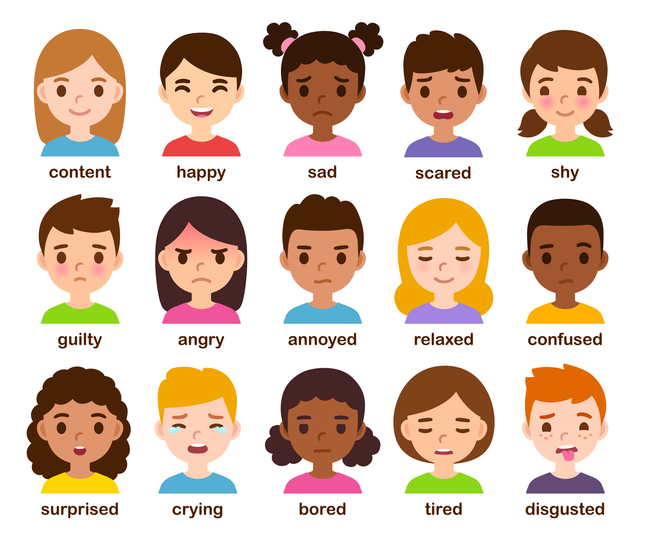
You might begin to feel more emotions. These emotions might be ones that you have never felt or rarely feel. Your emotions are valid and perfectly normal. You may begin to feel anger, stress, worry, anxiety, and sadness. Every single emotion or feeling is reasonable. Don’t ignore these emotions, recognizing them is the first step to feeling better. Common emotions you may be feeling include:
- Shock
- Frustration
- Sadness
- Depression
- Anxiety
- Relief
- Embarrassment
- Guilt
- Fear
- Loneliness
- Anger
- Worry
Mental Health
Children with divorced parents have a higher chance of facing certain mental health issues like depression and anxiety. However, this doesn’t mean that someone is guaranteed to to deal with those issues as every case is unique. If you are worried about mental health problems after a parents divorce, take time to reflect on your emotions. If you are feeling overly sad, hopeless, stressed, anxious, or uninterested/unmotivated for longer periods of time, consider talking to trusted friends, family, or adults who can help you.
Support Groups & Therapy
If you're in emotional distress or worried about your safety, please connect with a trusted adult, a crisis hotline or call 911. Support is available anytime.
Website Sponsored by Andersen Law PC