Coping Mechanisms
Divorce is challenging; it is not easy at any age. However, there are many coping skills that you can learn and implement into your daily life.
Talk To Others About What You Are Feeling
There are many emotions that you felt, are feeling, or may feel surrounding these new situations. All of these emotions are normal and ok for you to be feeling. Don’t bottle up these emotions and keep them to yourself, make sure to talk and express them in safe and constructive ways. These can include:
- Sitting down and talking to your parents, especially about how they can help you
- Talking to a friend
- Going to see a therapist or school counselor
- Joining a support group with other kids going through similar experiences

Start a Journal
If you have a difficult time talking to your parents, families, or friends, you can start a journal. A journal is a great place to write down your thoughts, emotions, and struggles. A journal can help you start to communicate and reduce stress and anxiety.

Keep Your Routines Normal
Routines and schedules will change. To help with these changes, try to keep the routines you have control over similar to how they were before. Keeping some consistency in your life can make new routines easier to adjust to.

Take Care of Yourself
Even though this new situation might not make you feel the greatest, keep taking care of your mental and physical health. Go outside, hang out with your friends, go to the movies, play video games, read a book. If you are feeling overwhelmed or stressed, take some time for yourself.

Remember That It’s Not Your Fault
Your parents divorced each other, not you. Your parents had some disagreements and decided that they did not want to be married anymore. They still love you and will continue to love you. You are not to blame for your parents’ divorce.

What Are Boundaries and Why are They Important?
Boundaries are important. After divorce, you might have to set boundaries with your parents, siblings, friends, coworkers, schoolmates, and/or your step-family. Boundaries are how people know how to treat you and behave around you. They help develop and enhance relationships. Setting boundaries can be difficult because it might feel like you are being rude or pushing people out of your life. Setting boundaries help everyone involved in a relationship or in a family. People wanted to be respected, loved, happy, and should be expected to act in the same way. No one can understand what makes you uncomfortable, awkward, or upset unless you tell them. It can be scary or weird at first, but there are many steps and tips that you can follow to help.
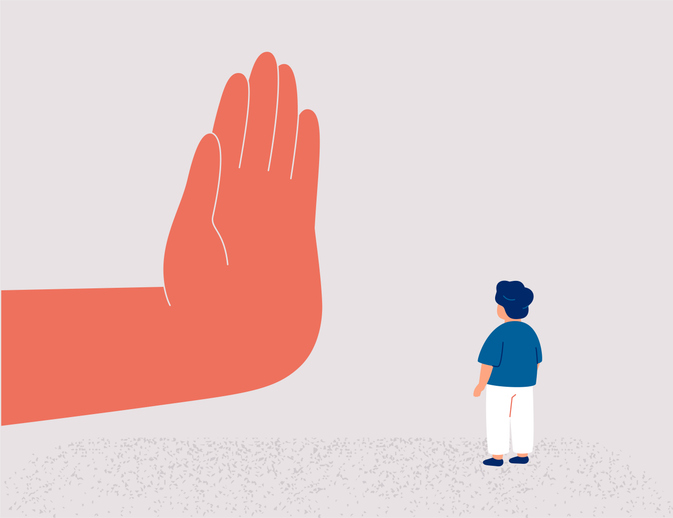
How to Set Boundaries
- Decide what your boundaries are
- Talk to a therapist (if you want) to go over your boundaries and for further advice
- Understand that your needs are important and that you should be loved
- Practice telling people your boundaries
- Be firm yet kind
- If you need to, walk away
- Put in place consequences if people don’t respect your boundaries
- Follow your boundaries and adjust or add to them as needed

Staying out of the Middle
Your parents shouldn’t be dragging you into their problems. You need to be careful about being put in the middle of your parents’ arguments and conflicts. Below are some things to watch out for and how to protect yourself from getting caught in the middle.
Bad-mouthing the other parent
Your parents are divorced which means that they might want to “get back” at each other. Your parents might start to remind you of the reasons they got divorced or might complain to you about child support. This can be very distressing to you. Make sure to set clear boundaries with your parents and to not participate in conversations that speak badly about the other parent.

Using you as a messenger
One of the effects of divorce is that your parents might stop talking to each other. However, they still need to communicate, especially about your care. In this case, they might try and use you as a messenger, sending messages about child support and care schedules. You should stay out of your parents’ issues and ask them to talk to each other in a different way. You shouldn’t be forced to deliver messages between your parents, as their responses can put a lot of stress on you.

Using you to spy on the other parent
Now that your parents don’t live together, they don’t have as clear of an idea of what the other parent is up to. Your parents might rely on you to figure out what the other parent is doing. They may begin to ask you questions like:
- Is your other parent dating someone?
Where is your other parent working? - How is your other parent spending their money?
- What does your other parent do in their free time?
This information is not for you to tell, and is not for your parents to ask you about. You can always tell them that if they want to know they can ask the other parent themselves.

Bribery
Your parents might feel like they need to win you over. In order to do so, they might try to buy you expensive gifts or give you extreme amounts of freedom. It may be tempting to accept these ‘gifts’ due to what you can get in the short-term. In the end, this is a no-win situation and this way of treatment might snowball into bad financial habits, harming both parents emotionally as conflict arises around favoritism. To avoid this, keep track of what they give you and if they are expecting anything in return. If your parents are expecting something in return for giving you things, step back, refuse the offers, and get a clearer picture of why they want something in return by talking to them.

Confiding their problems in you
Divorce is difficult for everyone involved. Your parents are also struggling to adjust to their new life. They may feel lonely, guilty, depressed, and many other emotions, however, they should not be using you as a therapist or a friend to express their frustrations with. Even though you and/or your parents may think that you can handle having mature adult conversations about the problems your parents are having, this is false. No kid at any age should have to handle their parents’ personal issues. If they try to use you as emotional support, refuse to engage in conversation and tell them that what they are doing is an inappropriate way to let out their emotions.

Forcing you to choose sides
Your parents may still fight and might try and make you choose between them, but the truth is you don’t have to. You can still love both of your parents and can live with both of them. It is completely fine to like going shopping with one parent and going fishing with the other, but you don’t have to choose one over the other. If they push you to pick a side, tell them that they shouldn’t be forcing you to pick between them because you care about them both, even though you like doing different activities with both.

Support Groups & Therapy
If you're in emotional distress or worried about your safety, please connect with a trusted adult, a crisis hotline or call 911. Support is available anytime.
Website Sponsored by Andersen Law PC